How to Prepare Your Backyard for a Hot Tub Installation
Aug 26, 2026
A hot tub is one of those additions that sounds simple until you start planning it. You picture yourself relaxing in warm water on a cool Wisconsin evening, but between the purchase and that first soak, there is a lot of groundwork to handle. A proper hot tub installation requires structural support, electrical work, drainage planning, and smart placement decisions.
Getting these details right protects your investment, keeps your family safe, and ensures the tub performs the way it should for years. Here is how to prepare your backyard before the hot tub installation begins.
Choose the Right Location
The placement of your hot tub installation affects everything that follows. You need a spot that provides access to electrical service, supports the weight of a filled tub, and gives you the privacy and convenience you want.
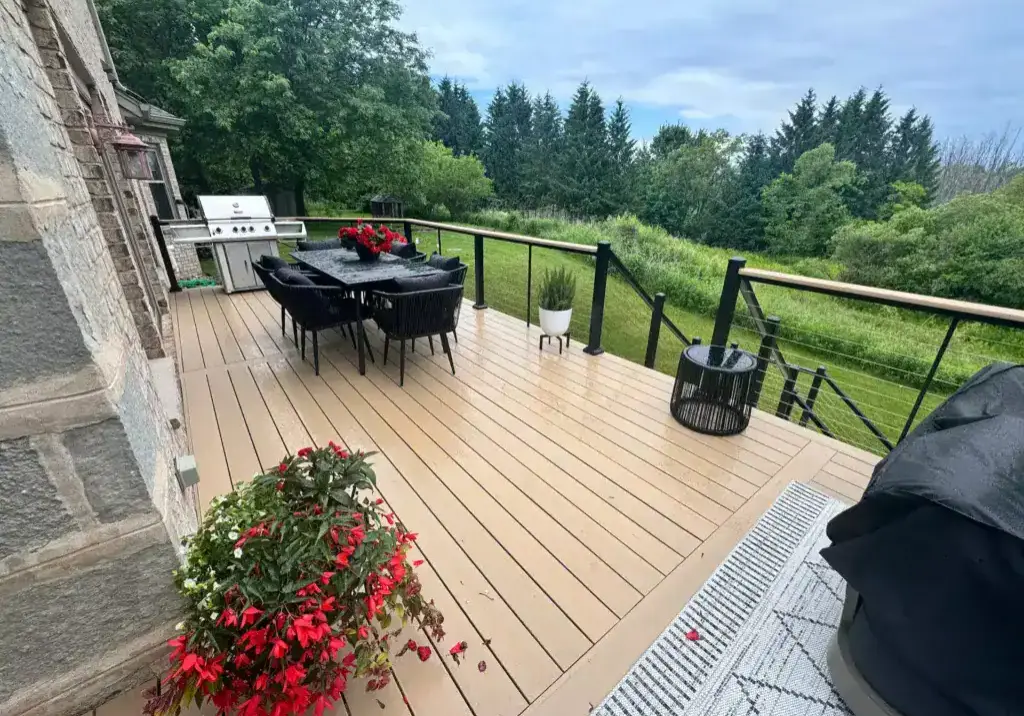
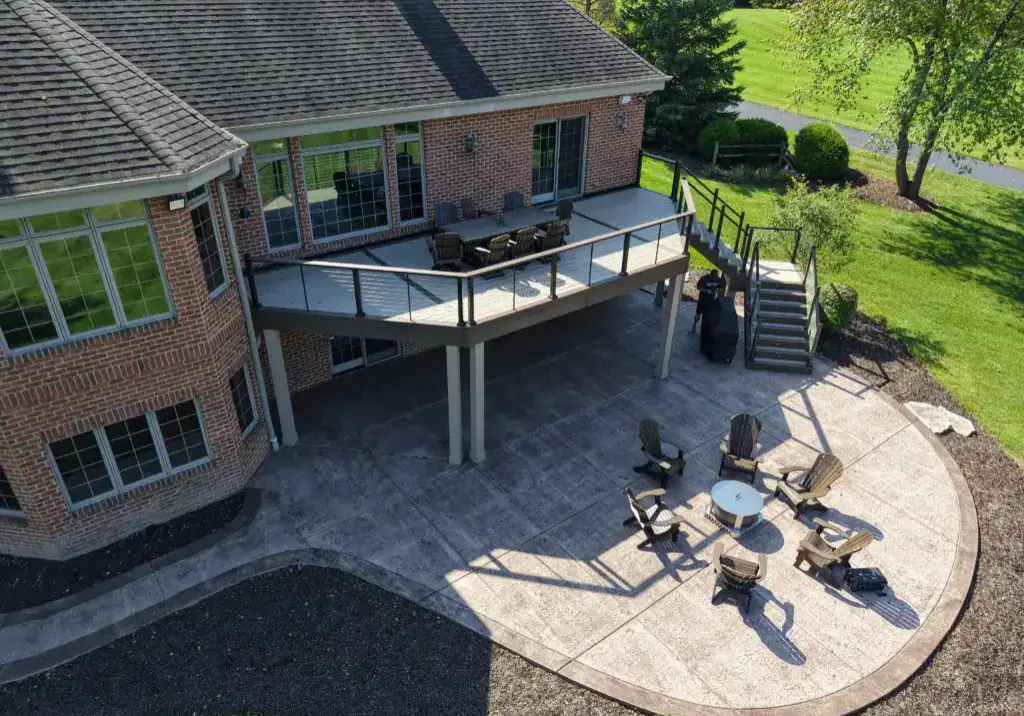
Most homeowners place their hot tub on or near an existing deck or patio. A level surface close to the house makes electrical connections easier and shorter, which reduces installation costs. It also keeps the tub convenient to use, especially during colder months when you do not want a long walk from your back door.
Think about sightlines too. If you want seclusion, consider a spot that naturally blocks views from neighboring properties. Privacy walls and privacy screens can also be added to create a more enclosed, intimate setting.
Make Sure Your Structure Can Handle the Weight
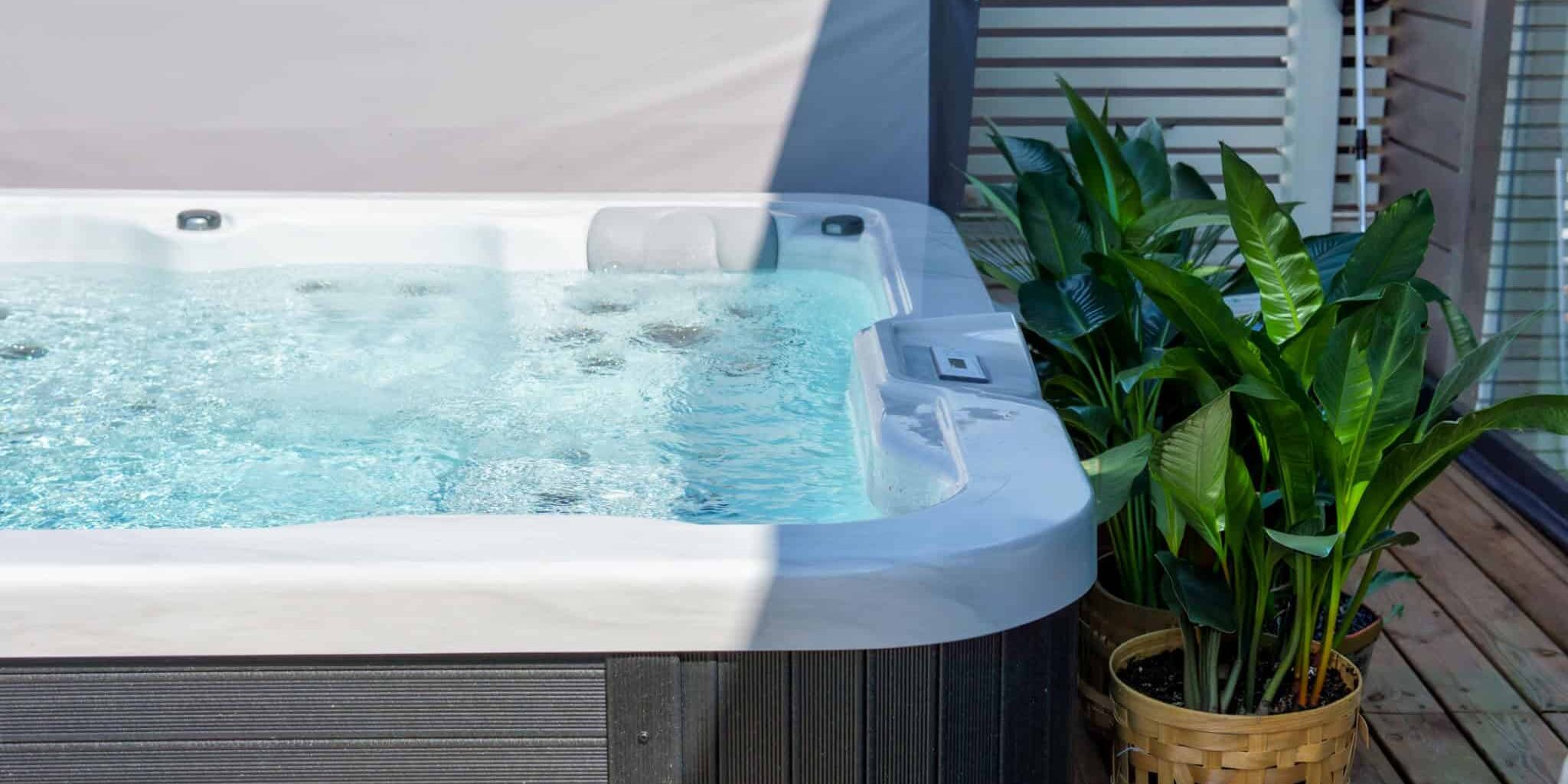
A filled hot tub with people in it can weigh anywhere from 3,000 to 6,000 pounds. That is far more than a standard deck is built to support. Before any hot tub installation, you need to confirm that the surface underneath can carry the load safely.
If you plan to place the tub on an existing deck, a professional should evaluate the framing, footings, and overall structure. In many cases, reinforced framing with doubled joists, additional beams, or upgraded footings is necessary. Helical piers provide strong support in areas where soil conditions make traditional footings less reliable.
If the tub sits on a patio, the concrete or paver surface needs to be thick enough and properly supported to handle the concentrated weight without cracking or settling.
Plan the Electrical Service
Most full-size hot tubs require a dedicated 240-volt electrical circuit. This is not a standard household outlet. A licensed electrician needs to run a new line from your electrical panel to the tub location, install a disconnect box within sight of the tub, and make sure the circuit meets local code requirements.
Planning the electrical work before your hot tub installation keeps the project on schedule. If the electrician needs to trench a line across your yard or upgrade your panel capacity, those steps take time and should happen before the tub arrives.
Address Drainage Before It Becomes a Problem
Water splashes out of hot tubs. When you drain and refill the tub, hundreds of gallons of water need somewhere to go. Without a drainage plan, that water pools around the base, seeps into your deck framing, erodes the soil, and creates a muddy mess.
A slight grade away from the tub directs surface water toward a drain or a permeable area of your yard. If the tub sits on a deck, make sure the drainage system below handles the additional water without causing damage to the structure.
Think About Privacy and Wind Protection
A hot tub installation without any privacy feels exposed, especially during evening use. Privacy walls block sightlines from neighbors and the street while also reducing wind exposure that makes cold-weather soaking uncomfortable.
Standalone privacy screens offer a lighter alternative that still provides visual separation without fully enclosing the space. Positioning the tub near a covered porch or screened-in porch adds another layer of shelter from wind and weather.
Consider Access for Delivery and Future Maintenance
Before your hot tub installation date, measure the path from the street to the final placement spot. The tub needs to fit through every gate, pathway, and opening between the delivery truck and your backyard. If there are tight turns, narrow gates, or elevation changes, the delivery crew needs to know ahead of time.
Also think about future access for maintenance and repairs. Leave enough clearance around the tub for a technician to reach the equipment panel, plumbing connections, and electrical components without moving the entire unit.
Factor in Lighting and Comfort Features
Deck lighting around the hot tub area adds safety and ambiance. Step lights along pathways prevent trips in the dark. Post cap and rail lights create a warm atmosphere without harsh overhead glare.
Pairing the tub with a firepit nearby extends the outdoor season even further. You can move from the warm water to a fire-warmed seating area without going inside.
Start Your Hot Tub Installation the Right Way
Proper preparation makes the difference between a hot tub installation that works flawlessly and one that creates problems for years. Structural reinforcement, electrical planning, drainage, and privacy all need attention before the tub arrives. Hometown Deck Builders handles hot tub installation prep, structural reinforcement, privacy walls, and complete outdoor living construction for homeowners across Southeastern Wisconsin. Call +1 262 235 5237 to schedule a consultation and get your backyard ready.
Share On:
Related Blogs