Pergola vs. Covered Deck vs. Louvered Pergola — How to Choose the Right Overhead Structure for Your Wisconsin Outdoor Space
May 5, 2026
Adding an overhead structure to your outdoor space is one of the best ways to get more use out of your Wisconsin backyard. But deciding between a pergola, a covered deck, and a louvered pergola can feel overwhelming. Each one offers a different balance of shade, weather protection, aesthetics, and cost. Understanding the pergola vs covered deck debate along with where louvered systems fit helps you invest confidently in the option that makes the most sense for your Slinger home.
Traditional Pergolas
A traditional pergola features vertical posts supporting an open framework of beams and rafters overhead. It provides partial, filtered shade that shifts throughout the day as the sun moves. The open design lets breezes flow freely while creating a defined outdoor room that feels both structured and airy.
Pergolas are versatile in terms of materials and style. Cedar, Douglas fir, composite, PVC, fiberglass, steel, and aluminum are all viable options depending on your preferences and maintenance tolerance. For homeowners who want character and light shade without full weather protection, a pergola is an affordable starting point. When weighing pergola vs covered deck options, this is the lightest and most open choice.
Covered Decks
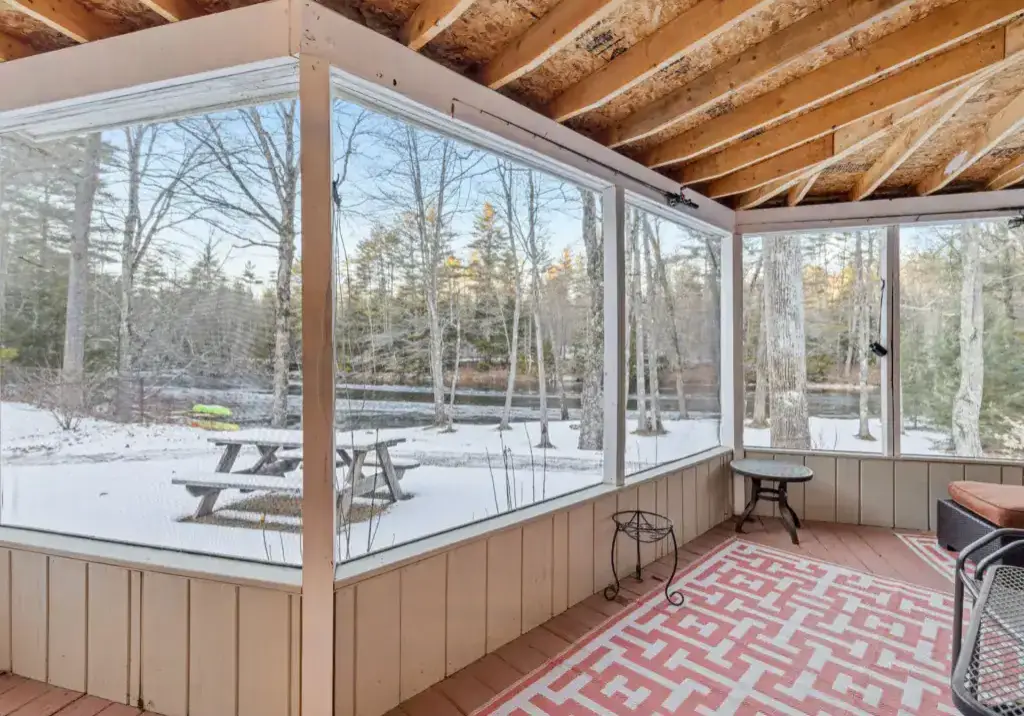
A covered deck provides the most complete weather protection of the three options. With a solid roof overhead, you can use your deck through rain, harsh sun, and even light snowfall without worrying about the elements. It creates an outdoor room that functions in almost any condition Wisconsin throws your way.
The trade-off is cost and complexity. A covered deck requires more structural engineering, heavier framing, and compliance with load rating requirements that account for Wisconsin’s snow accumulation. But for homeowners who want maximum usability and year-round protection, it’s hard to beat. In the pergola vs covered deck comparison, this option wins on functionality and weather resilience.
Louvered Pergolas
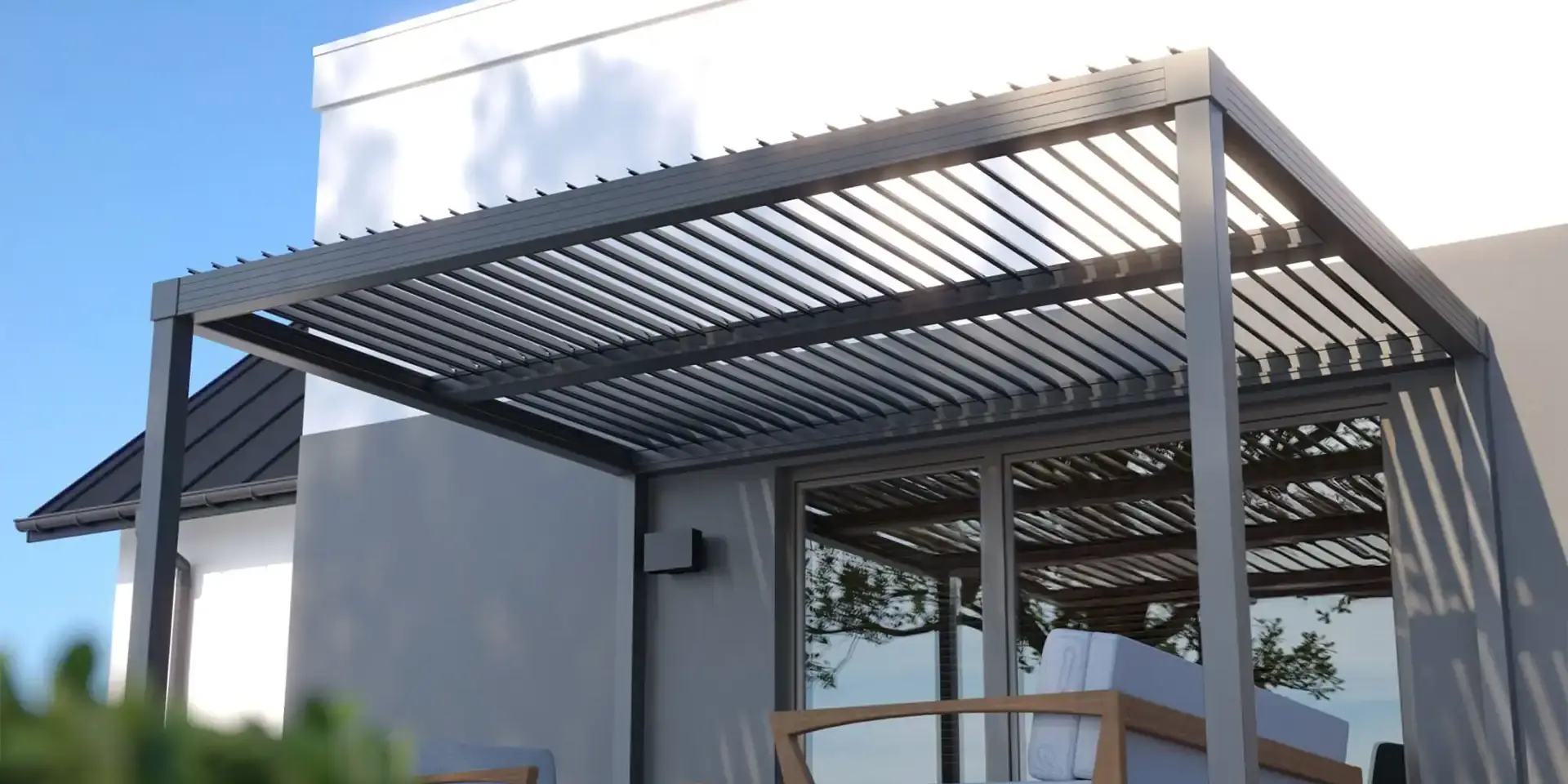
A louvered pergola sits between the other two options, offering adjustable aluminum slats that rotate open or closed with the push of a button. When open, sunlight and airflow pass through like a traditional pergola. When closed, they create a watertight roof that blocks rain, snow, and intense sun completely.
This flexibility makes louvered systems especially appealing in Wisconsin, where morning sunshine can give way to afternoon thunderstorms without warning. You get openness when you want it and protection when you need it, all without leaving your chair. For homeowners who find the pergola vs covered deck decision too limiting, a louvered system eliminates the need to compromise.
How Wisconsin’s Climate Affects Your Decision
Wisconsin weather should be a driving factor in your choice. Summers are warm and humid, winters bring heavy snow and freezing temperatures, and spring and fall can swing from sunshine to storms within a single afternoon. Whatever you build needs to handle all of it safely.
A traditional pergola works beautifully during fair weather but offers the least protection. A covered deck stands up to everything year-round but doesn’t let you open up on perfect days. A louvered pergola adapts in real time, making it the most versatile choice. Thinking through the pergola vs covered deck question with Wisconsin’s seasons in mind helps narrow the decision quickly.
Materials and Maintenance
Material choice affects both the look and long-term upkeep of your structure. Cedar and Douglas fir deliver natural warmth but require regular staining and sealing to survive Wisconsin’s extremes. Composite, PVC, and fiberglass offer low-maintenance durability that resists rot, warping, and fading. Steel and aluminum provide maximum structural strength with minimal upkeep.
Maintenance varies between structures as well. Pergolas need periodic care depending on material. Covered decks require occasional inspections of roofing, flashing, and gutters. Louvered systems need little more than an occasional rinse. Your willingness to maintain the structure should factor heavily into the pergola vs covered deck decision.
Cost Comparison
Budget is often the tipping point. Traditional pergolas are the most affordable, especially simpler designs using wood or basic aluminum. Covered decks cost more due to roofing, structural reinforcement, and additional labor. Louvered pergolas carry the highest upfront price because of the motorized slat system and advanced engineering.
However, cost should be weighed against usability. A cheaper structure that sits unused during half the year may not deliver as much value as a pricier option you enjoy year-round. Getting detailed quotes helps you move beyond the basic pergola vs covered deck cost question and compare true long-term value.
Making the Right Choice
The best overhead structure depends on how you live outdoors. If you want light shade and a classic aesthetic at a lower price, a traditional pergola is a great fit. If maximum weather protection and year-round usability are priorities, a covered deck delivers the most complete solution. If you want flexibility depending on the day, a louvered pergola gives you that control. Many Slinger homeowners find the pergola vs covered deck decision easier once they see all three options side by side.
At Hometown Builders Unlimited, we help Slinger, WI and Wisconsin homeowners in general design and build outdoor structures that fit their lifestyle and stand up to every season. Whether you’re still weighing the pergola vs covered deck question or ready to explore louvered options, our team is ready to guide you. Call us today at (262) 235-5237 to schedule a consultation and get started.
Share On:
Related Blogs