How to Tell If Your Deck Is Worth Saving This Year
Mar 1, 2026
The holidays are over, the new year has begun, and you’re probably looking at your home with fresh eyes — especially if you hosted guests or spent any time outside. If your deck was part of the festivities (or avoided altogether because of its condition), now’s the perfect time to ask: is your deck worth saving?
At Hometown Builders, we help Southeastern Wisconsin homeowners evaluate aging decks every winter and early spring. Whether you’re thinking about replacing, resurfacing, or tearing it out altogether, we’ll help you figure out what makes the most sense for your home, budget, and lifestyle.
Here’s how to tell if your deck deserves another season — or if it’s time to start fresh.
Step 1: Take a Walk — Literally
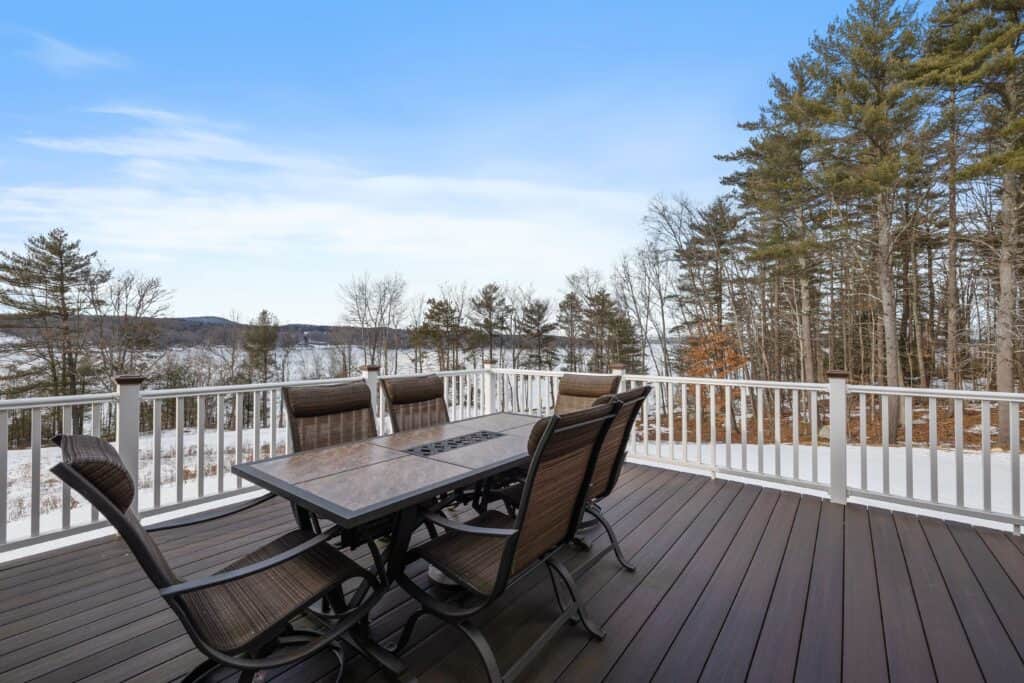
Even in winter, it’s a good idea to walk your deck and take note of what’s going on. Snow cover or not, you’ll usually notice right away if something feels “off.”
Look and feel for:
- Soft spots or spongy areas underfoot
- Loose, wobbly railings or stairs
- Boards that have popped, warped, or splintered
- Visible rot, especially near posts or ground contact areas
- Mildew, mold, or greenish patches on the surface
If you spot a few worn boards or a loose nail or two, don’t panic — that doesn’t mean the whole deck is doomed. But if you notice several of these signs together, it might be time to think bigger.
Step 2: Evaluate the Structure, Not Just the Surface
What’s under your feet matters even more than what you can see.
In many cases, a deck surface may look rough — but the frame beneath it is still in great shape. That makes your deck a strong candidate for resurfacing, where we keep the framing and replace the surface boards, stairs, and railings. You can even upgrade to composite decking for better durability and lower maintenance.
However, if your deck is older (15–20+ years) and you see signs like:
- Posts that are sinking or leaning
- Joists pulling away from the ledger board
- Rusted hardware or corroded brackets
- Multiple “quick fixes” from past seasons
- Rot where wood touches soil or concrete
Then a full replacement is often the smarter (and safer) move. It also opens the door for a new layout, added features, or better functionality to match how you use your space now.
We’ve helped many homeowners in Germantown, Jackson, and West Bend reimagine their outdoor areas after years of “patch jobs” that just weren’t cutting it anymore.
Step 3: Consider the Deck’s Purpose Today
When was the last time you actually used your deck — and how did it go?
Sometimes, the question isn’t just “Can this deck be saved?” but “Is this still the deck I need?”
Think about:
- How many people use the space and how often
- Whether your furniture, grill, or hot tub still fits
- How easy it is to access from your home
- Whether you need shade, privacy, or better flow to your yard
- If you’d like to add a covered area, lighting, or built-ins
If the structure is solid but the layout no longer fits your life, that’s another great case for resurfacing with redesign. If the bones are failing and the space no longer serves you, full replacement might be the better investment.
Step 4: Factor in Safety, Cost, and Peace of Mind
We get it — deck projects can feel overwhelming. But ignoring a failing deck carries its own risks, from safety concerns to hidden water damage.
If you’re unsure where your deck stands, here’s a quick breakdown:
Resurfacing may be enough if:
- Your framing is in good condition
- You like your current layout
- You want to update the look or switch to composite
- You’re not planning major structural changes
Replacement is better if:
- You notice structural issues, rot, or code concerns
- Your layout no longer works for your needs
- You’ve already resurfaced once or twice
- You want to add major features like a roof, screen porch, or hot tub pad
The good news? Winter is the perfect time to figure this out. We can assess your deck, walk you through your options, and get everything planned so you’re first on the list for spring.
Not sure if your deck is salvageable? Let’s find out together. Call (262) 235-5237 or schedule a consultation online today. We’ll help you decide the best path forward — no pressure, just honest advice.
Share On:
Related Blogs